Build Power Beyond The Grid
Utility Companies
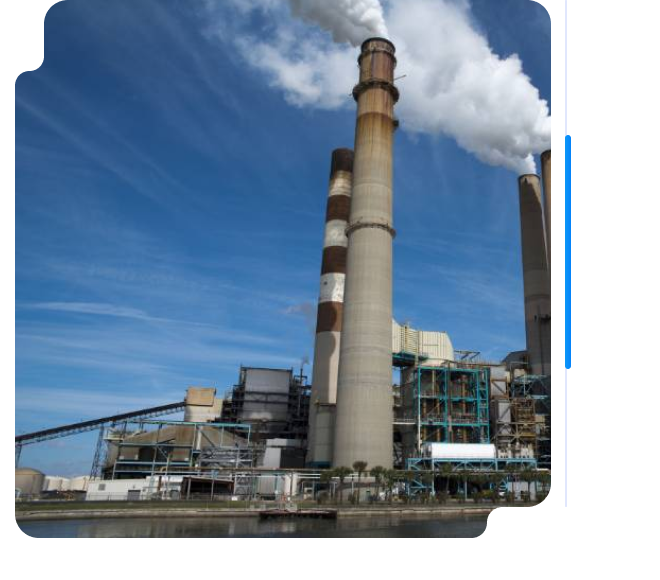
Electricity demand continues to rise, while large new loads can place pressure on existing infrastructure. The IEA projects electricity generation serving data centers to rise from 460 TWh in 2024 to more than 1,000 TWh by 2030.
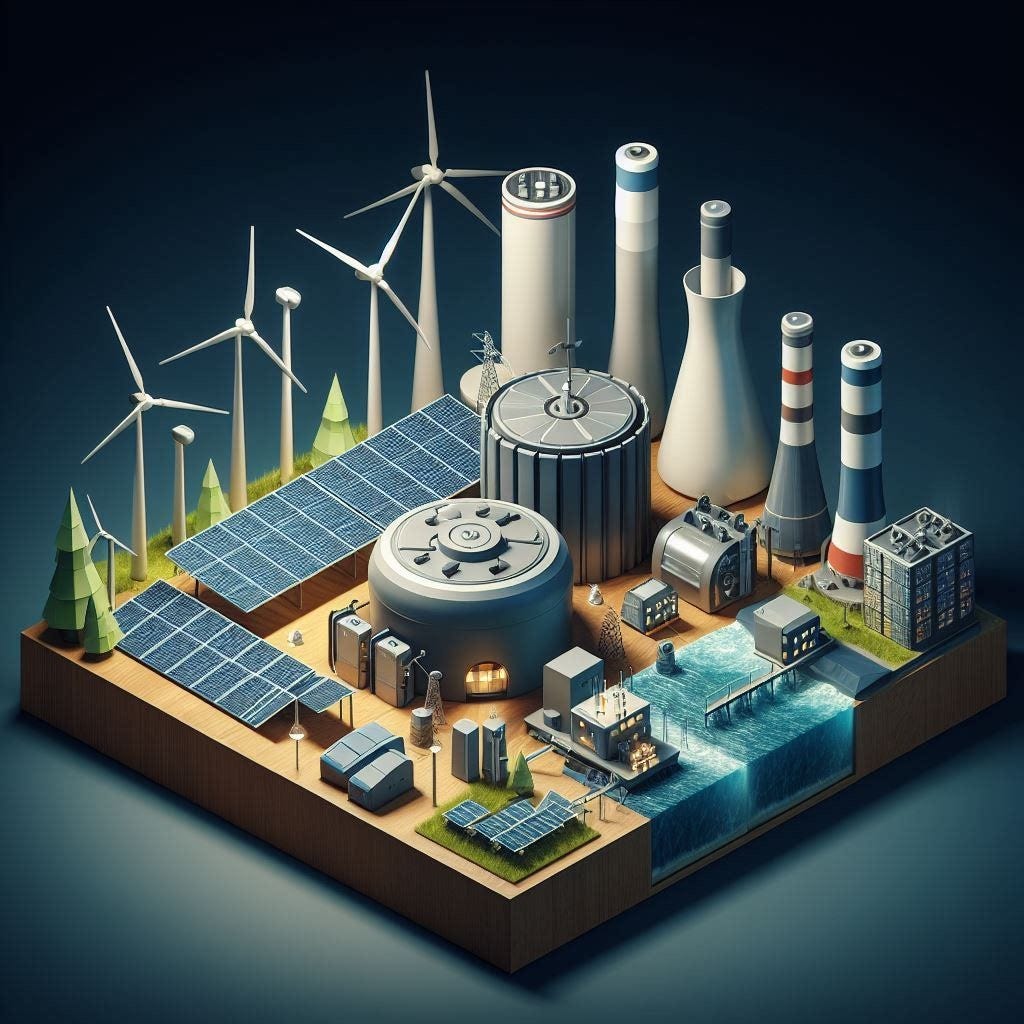
AirPower could be investigated as part of future Clean Energy Infrastructure and Distributed Power Generation strategies.
Its proposed licensing and manufacturing model also creates potential opportunities for utility companies and energy organizations interested in evaluating the technology.
More Than Power Plants
Government Projects & Smart City Systems
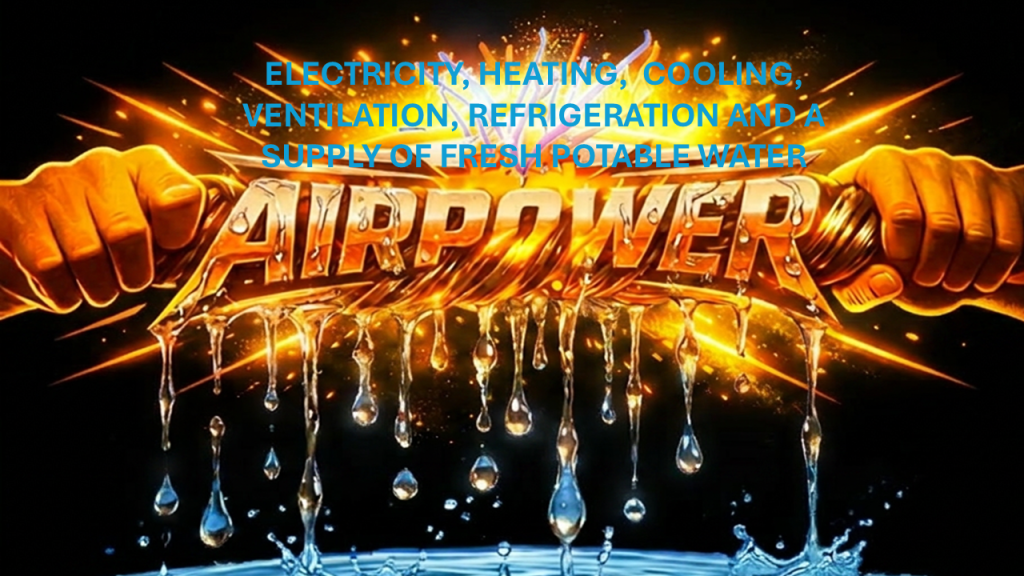
Public infrastructure needs dependable power, cooling, ventilation, and water. The AirPower concept brings these outputs together in one proposed system.
That makes Government Projects, emergency infrastructure, and future Smart City Systems potential areas for further investigation.
The client’s material also identifies the possibility of recovering water from atmospheric air as part of the process.
An Open Door For Research
Renewable Energy & Research Institutions
AirPower is still a concept moving toward engineering, modeling, testing, manufacturing, and partnership. That makes collaboration important.
Research Institutions, engineering teams, Renewable Energy organizations, and technology developers could play a role in evaluating the proposed system and its potential applications.
The development roadmap described by the client includes engineering partnerships, university research, thermodynamic modeling, manufacturing agreements, and licensing opportunities.
Where Could AirPower Go Next?
The Application Is Bigger Than One Industry.
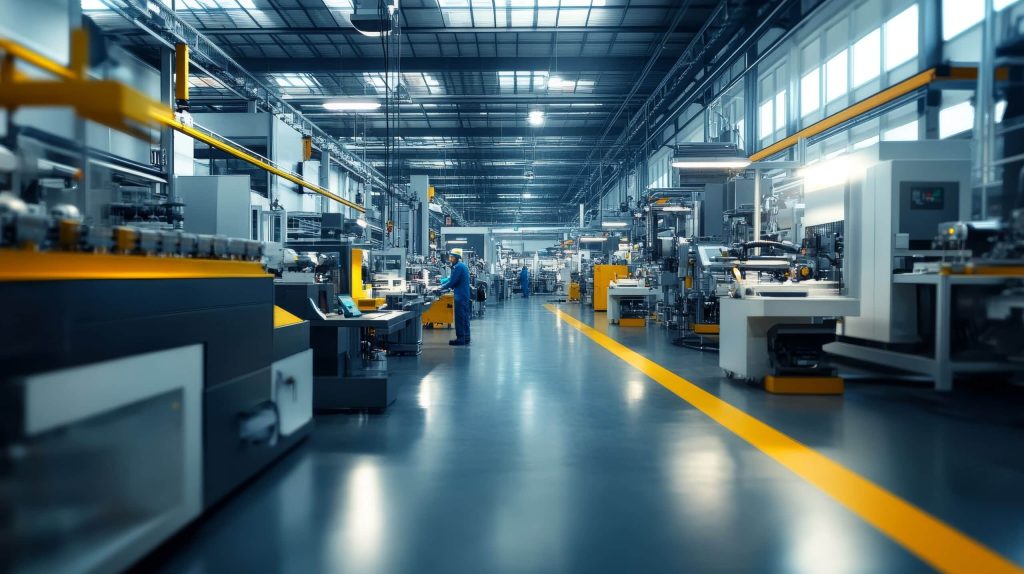
From Data Centers and Industrial Facilities to utilities, government infrastructure, Clean Energy Technology, and research, AirPower is intended to explore what becomes possible when power generation, heat, cooling, and water are considered together.
The next step is not simply to talk about the idea.
It is to engineer it, test it, develop it, and discover where it can deliver the greatest value.